

GPS Antennas




External antennas versus built-in receivers
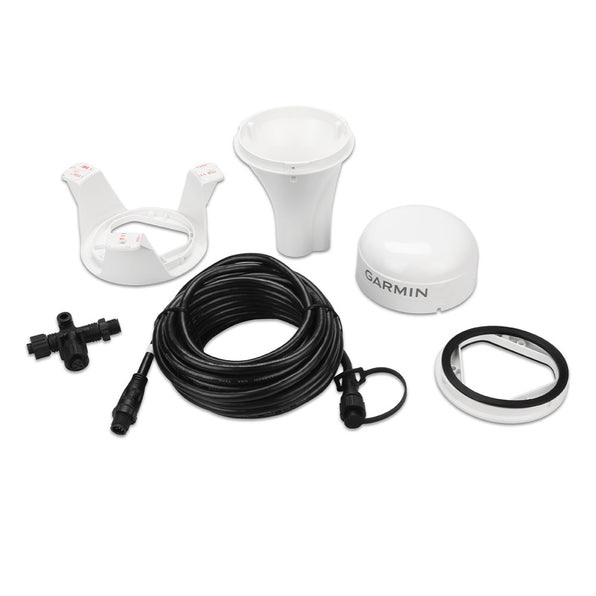
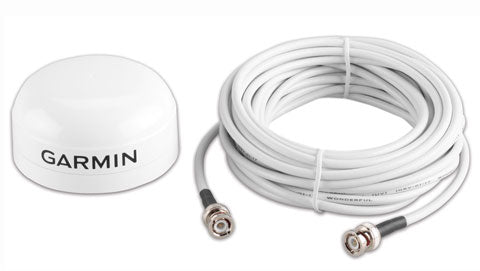
A built-in GPS receiver is convenient but rarely matches the accuracy and lock-on speed of an external antenna mounted with a clear view of the sky. Active antennas include their own amplifier and need a powered feed from the display, so check the cable's connector type and maximum run length before routing it, since signal loss increases with cable length and cheap coax makes it worse.
Mounting position affects performance more than antenna choice: keep it away from radar scanners, VHF antennas and large areas of carbon or metal deckhead that can block or reflect signal, and mount it as high and clear as practical on a mast or arch. Most units output over NMEA 0183 or NMEA 2000, so confirm which protocol your chartplotter or instrument expects before ordering, particularly on older displays that only accept NMEA 0183.
If you are replacing a faulty antenna rather than adding a new one, matching the existing connector saves rewiring the whole run; ask us if you are not sure which one you have.


