

Ais Transceivers
AIS transponders — Class A and Class B
An AIS transponder, also called an AIS transceiver, sends your boat's position, course and speed to other vessels and shows you theirs. Class B units, including Class B SOTDMA, are the usual choice for yachts and leisure boats. Class A is the commercial-grade option. Your vessel's MMSI is entered into the transponder by an installer rather than the owner, and we can recommend a trusted local installer. For the wider AIS and VHF range, including DSC radios, see AIS transponders and VHF radios. Receive-only units are in AIS receivers.
AIS targets can be shown on a compatible chartplotter, for example from Raymarine, Garmin or Simrad. You will also need a VHF/AIS antenna, or an antenna splitter to share one with your VHF radio. Tell us what is already on board and we will help you choose.
For EPIRBs and personal locator beacons, see safety beacons.

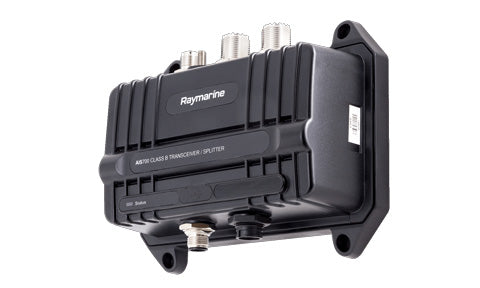

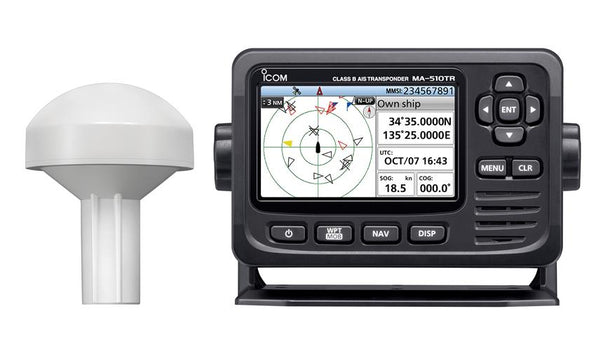


Class A, Class B and SOTDMA explained
The core difference between AIS classes is transmit power and reporting rate rather than build quality. Class A units, required on commercial vessels, transmit at higher power and report position more frequently, while Class B units, aimed at leisure boats, transmit less often and at lower power, which keeps their draw on VHF bandwidth lower but makes them somewhat less visible at long range to other traffic.
Within Class B, standard CSTDMA units share transmission slots by listening before they transmit, while SOTDMA units reserve their own slot in advance, giving more consistent reporting in busy waters such as a crowded estuary or shipping lane, closer to how Class A behaves.
A transceiver both sends and receives; an AIS receiver, by contrast, only shows other traffic and does not transmit your own position, so check which you need if your main aim is to be seen rather than just to see others. Every transceiver also needs a valid MMSI programmed in before it transmits correctly, and most models share a VHF antenna with a splitter rather than needing a second aerial.


