

Ais Transceivers
Marine AIS Transceivers - Class A & Class B
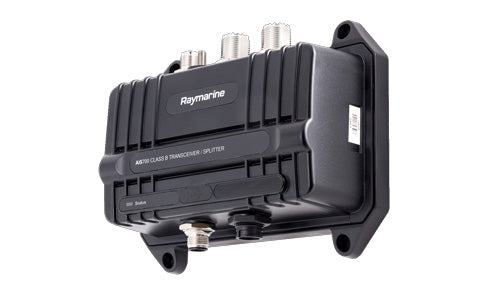
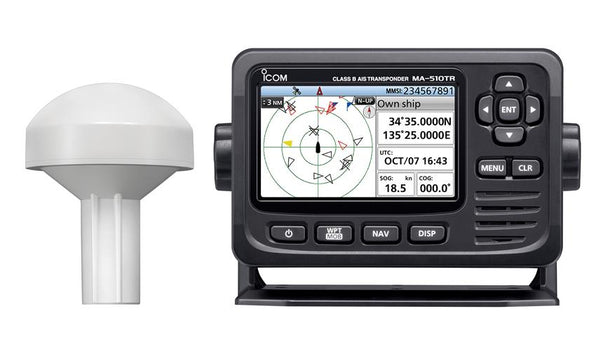
Transmit and receive vessel information for enhanced marine safety with professional AIS transceivers. Our collection includes:
- Class B AIS Transceivers - Recreational vessel AIS for yachts and sailboats
- Class A AIS Transceivers - Commercial-grade AIS for professional vessels
- AIS with GPS - Integrated GPS positioning
- SOTDMA AIS - Advanced Class B+ technology
AIS transceivers both transmit your vessel's position and receive data from nearby ships, providing complete situational awareness. Class B systems are perfect for recreational vessels, while Class A meets commercial requirements.
Complete AIS Setup: Display on Simrad, Raymarine, Garmin, or Furuno chartplotters. Compare with AIS receivers (receive-only). Mount VHF/AIS antennas with Seaview platforms. Use antenna splitters with VHF radios.



Class A, Class B and SOTDMA explained
The core difference between AIS classes is transmit power and reporting rate rather than build quality. Class A units, required on commercial vessels, transmit at higher power and report position more frequently, while Class B units, aimed at leisure boats, transmit less often and at lower power, which keeps their draw on VHF bandwidth lower but makes them somewhat less visible at long range to other traffic.
Within Class B, standard CSTDMA units share transmission slots by listening before they transmit, while SOTDMA units reserve their own slot in advance, giving more consistent reporting in busy waters such as a crowded estuary or shipping lane, closer to how Class A behaves.
A transceiver both sends and receives; an AIS receiver, by contrast, only shows other traffic and does not transmit your own position, worth checking if your reason for fitting one is to be seen rather than just to see others. Every transceiver also needs a valid MMSI programmed in before it transmits correctly, and most models share a VHF antenna with a splitter rather than needing a second aerial.

